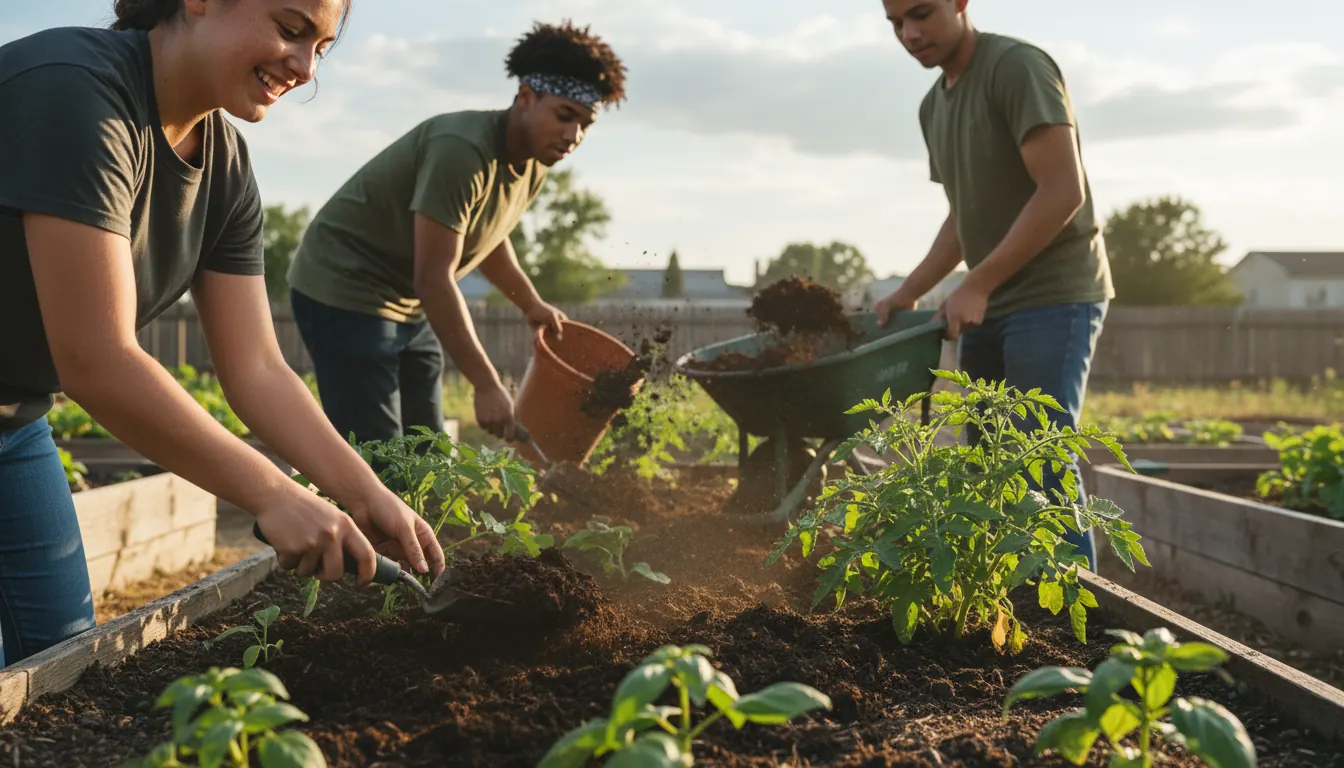
Campus Composting Programs Student Implementation Guide
Campus composting programs offer students practical opportunities to reduce waste while learning about circular resource systems and environmental stewardship. These initiatives divert significant amounts of organic material from landfills, reducing methane emissions while creating valuable soil amendments for campus landscaping and community gardens. Successful composting programs require careful planning, stakeholder engagement, and sustained operational systems, but the environmental and educational benefits make them highly worthwhile projects for student environmental leaders to pursue and develop.
Essential Planning Steps for Campus Composting
Establishing an effective composting system requires systematic planning that addresses both operational logistics and community engagement. Following these foundational steps increases likelihood of creating sustainable programs that persist beyond initial student organizers.
- Conduct waste audits to quantify organic waste generated and identify primary sources like dining halls and residential buildings
- Build coalition of supporters including facilities staff, dining services, student organizations, and sustainability administrators
- Research composting methods suitable for campus scale and climate, comparing options like windrow, vermicomposting, and in-vessel systems
- Develop pilot program in limited location to test operations and refine procedures before campus-wide expansion
- Create educational campaigns that teach community members what materials can be composted and why participation matters
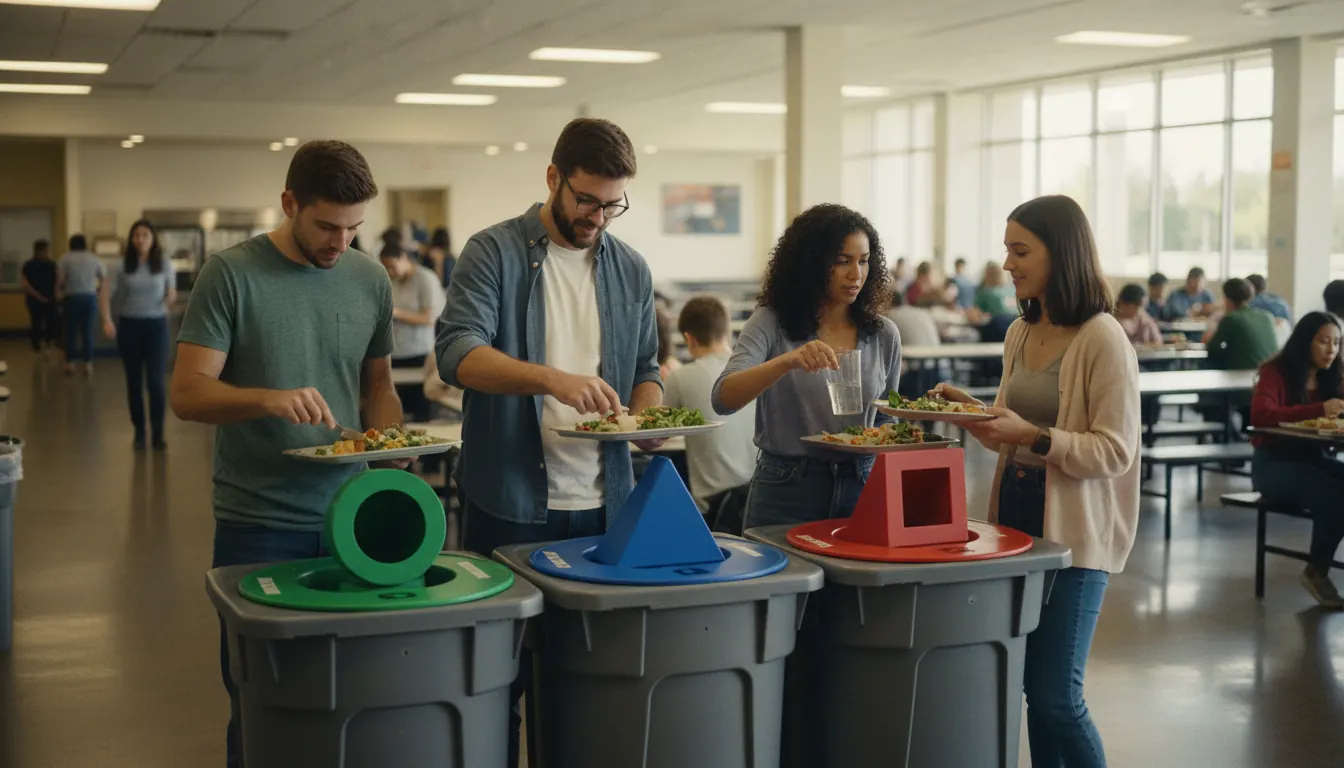
Comparing Composting System Options
Different composting methods offer varying advantages depending on campus resources, space availability, and processing volume requirements. Understanding these options helps student organizers select systems aligned with institutional context and goals.
| System Type | Best For | Key Requirements |
|---|---|---|
| Windrow Composting | Large volume operations with available land | Outdoor space, turning equipment, 6-12 month processing time |
| In-Vessel Systems | Limited space with faster processing needs | Capital investment, maintenance expertise, controlled environment |
| Vermicomposting | Educational focus with smaller volumes | Temperature control, worm population management, gentle handling |
| Off-Site Partnership | Campuses without processing capacity | Local composting facility, collection logistics, ongoing fees |
"Our campus composting program started with just two bins in the student center. Three years later, we're diverting 40 tons of organic waste annually and using the finished compost in our campus gardens."
Sustaining Long-Term Success
The challenge with student-led initiatives lies in maintaining operations as original organizers graduate. Successful campus composting programs address this by creating formal organizational structures, comprehensive training materials, and institutional relationships that outlast individual participants. Documenting procedures, building budgets into institutional planning, and recruiting new student leaders annually ensures these valuable environmental programs continue delivering benefits for years beyond their founding generation.