
Education for Sustainable Living Program A Modern Approach to Environmental Action
The Education for Sustainable Living Program is a novel method to help the environment. The climate crisis is one of the most significant concerns of our time, and more and more young people are stepping up to make genuine changes. This movement is based on the strong belief that education and taking action together may influence how people in a community think about being environmentally responsible. The Education for Sustainable Living Program is one example of how students may be strong supporters of a better society if they have the necessary information and tools.
There have been a lot of changes in environmental education since the days when kids had to listen to monotonous presentations about how to clean up and protect the environment. Today's programs focus on learning by doing, becoming active in the community, and picking up important skills that can be applied in the real world. More and more individuals are discovering that young people have new ideas and perspectives that may assist solve severe challenges with sustainability in ways that older people would not have thought of. This is shown by the shift toward student-led projects.
How to Get the Most Out of the Program for Education for Sustainable Living
The reasons and how ESLP was made
People saw that ordinary environmental education doesn't always affect people's behavior, therefore they came up with the Education for Sustainable Living Program. ESLP is a way for people to learn about climate change from the ground up. Students who wanted to do more than just raise awareness through campaigns formed it. The major purpose of the organization is to teach students the tools they need to make a difference in the climate crisis and to help them form support groups that will help them stay committed to taking care of the environment for a long time.
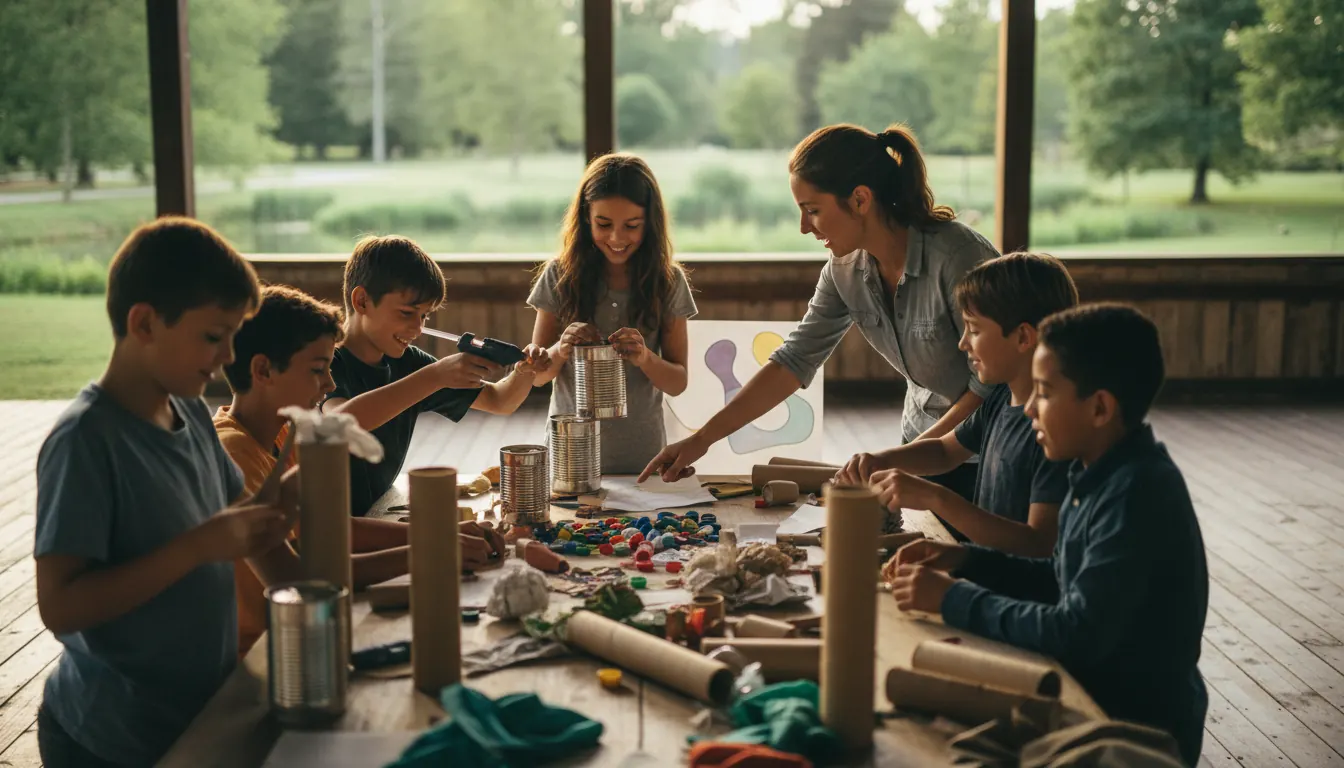
ESLP is distinct from other environmental programs since it helps students learn how to be autonomous and lead others. The program doesn't tell young people what to do; instead, it gives them tools to uncover environmental problems in their local areas and come up with solutions that work there. This strategy understands that sustainability means various things to different communities and that to take effective action for the environment, you need to know a lot about the area's cultures, economy, and surroundings.
The Philosophy of Education and Core Values
There are a lot of ideas that are connected and build on each other in strategies for living sustainably. People think that environmental concerns are related to difficulties with social justice, economic fairness, and the health of their neighborhoods. This broad approach helps students realize that for sustainability initiatives to be fair and really work, they need to take into consideration various parts of people's life.
Another fundamental value values optimism and choice more than grief and impotence. Climate science tells us awful things, but the way we teach it is about what may happen and how to give people control. Students learn about new technology, successful initiatives to make the world a better place, and legislative achievements that show people can do good things. This balance between acknowledging concerns and appreciating success helps people not get stuck in their dread of climate change.
Students are in charge of climate action projects
Students may lead a lot of different sorts of environmental initiatives, such energy audits, school composting programs, lobbying campaigns, and working with the community. Through these initiatives, students may learn how to manage projects, deal with bureaucratic red tape, and talk to a wide range of partners coherently. Taking ownership of genuine projects with measurable outcomes promotes confidence and illustrates that everyone's actions can make a difference in the overall system.

Connecting students with professors who work in different areas of sustainability is a great way to do this. These relationships help young people learn about jobs they may have in environmental research, policy, education, and activism. They also provide them good advise on how to handle challenges. The mentorship model also gets individuals of different ages talking to each other, which helps both kids and instructors learn more about new environmental issues.
Key Components of Sustainable Living Programs
Key Components of Effective Environmental Education
There are a few important qualities that make it simple to discern the difference between environmental education programs that work and those that don't. The table below lists the most important things that contribute to good learning outcomes and long-term involvement in sustainable endeavors.
| Program Component | Implementation Method | Target Outcome | Assessment Strategy |
|---|---|---|---|
| Experiential Learning | Field studies, service projects, hands-on workshops | Practical skill development and deeper conceptual understanding | Project portfolios, reflection journals, skill demonstrations |
| Systems Thinking | Case studies, modeling exercises, interdisciplinary coursework | Ability to recognize connections between environmental, social, and economic systems | Problem-solving assessments, systems mapping exercises |
| Community Engagement | Partnerships with local organizations, service-learning projects | Development of civic responsibility and collaborative skills | Community feedback, partnership evaluations, impact reports |
| Leadership Development | Peer education opportunities, project management roles | Confidence, communication skills, and organizational capacity | Self-assessment tools, peer feedback, leadership portfolios |
These aspects come together to create learning environments where students do more than simply study; they also help solve issues in their surroundings. When programs let students practice what they've learned in real life, it makes what they've learned more valuable to them and more likely to change the way they act and the jobs they choose in the future.
Ways for people in the community to get involved and participate
Sustainable living programs that function recognize that they can't address environmental problems on their own. Building partnerships with local companies, government agencies, organizations, and community groups creates support networks that help students accomplish even better. These collaborations also provide students access to resources, experts, and viewers that make it more likely that their initiatives will work and have a wider impact.
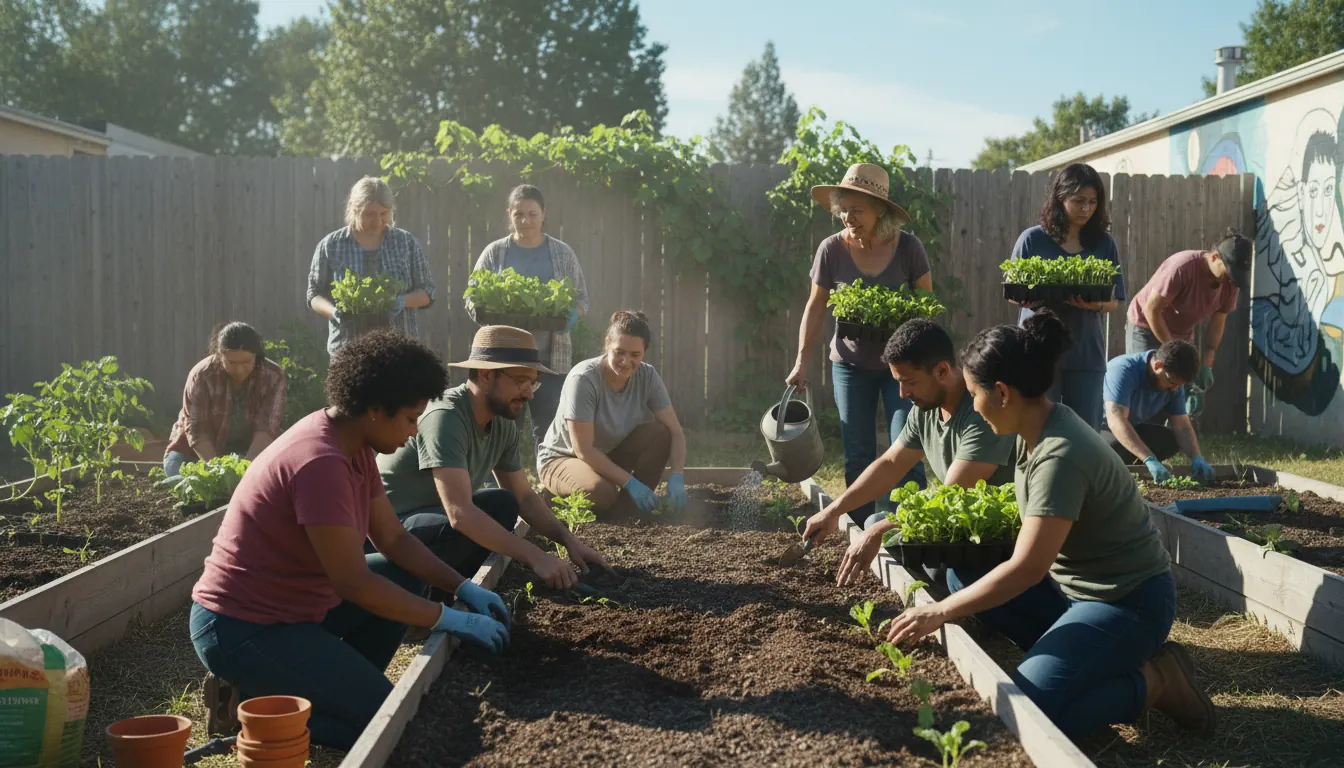
There are numerous ways that communities may become involved in different areas, but most of the time, excellent ways are ones where everyone gives and gets something. Community partners may provide guidance, resources, or assistance with implementation, whilst students may contribute pro bono labor, innovative concepts, or research capabilities. People are more dedicated when they all put money into something, and initiatives are more likely to satisfy actual community needs instead of running after notions that have nothing to do with the real world.
How to Find Out How Well a Program Works and What Its Effects Are
You need to employ a lot of different measurements that indicate both short-term and long-term effects to find out how effectively environmental education initiatives perform. Lowering carbon emissions, sending less rubbish to landfills, or conserving more energy through energy-saving initiatives are all examples of quantitative metrics. But qualitative metrics are just as essential, such how individuals feel about the environment, how well they learn to think about systems, and how they keep working on sustainable issues once school is ended.
It might be hard for many initiatives to achieve the right balance between a comprehensive examination and the limited resources of grassroots groups. You may get meaningful information without placing too much pressure on your workers by using simple tools like user surveys and self-evaluations. At the outset of the project, it's vital to define clear goals and come up with practical techniques to keep track of how well you're doing at reaching those goals as you work on the project.
Issues with the environment and empowering youth
The Climate Crisis and What Generation Z Will Do About It
Generation Z has always lived with climate change since they were born. People who are young now have never lived in a period when people didn't talk about climate change in public. People in the past learnt about environmental challenges over time, but this is different. This knowledge impacts how individuals perceive the world and makes many people want to do something to help the environment, such going on global climate strikes or working to make their own towns more sustainable.
Young people who care about climate change have a feeling of urgency because they know a lot about science and because they care about what happens in the future. Young people are aware that the decisions we make now will significantly affect the world they will inherit. People expect institutions, businesses, and governments to act quickly and be accountable because they know this. The young climate movement has altered the way people talk about climate change and what governments want to do about it. This illustrates how strong coordinated, long-term lobbying can be.
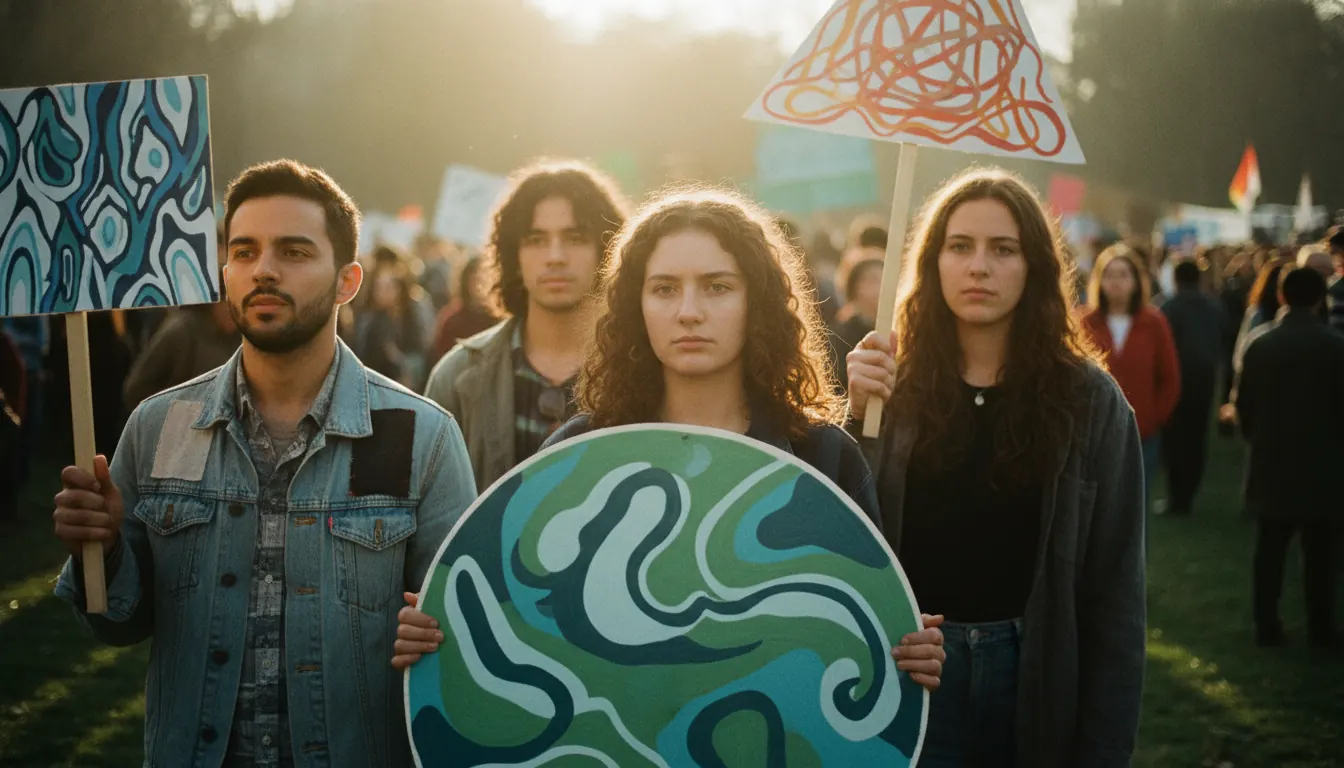
Giving individuals strength and hope via learning
A lot of young people still believe we can fix climate concerns, even though there are excellent reasons to be worried about the future of the environment. Education is highly crucial for building this positive attitude since it teaches people how to overcome difficulties, recognizes successes, and opens them opportunities for beneficial participation. The following strategies have been effective in empowering young environmental leaders:
- Project-based learning that leads to real results enables students realize how their effort affects the world. This makes kids feel more sure that they can make a difference and teaches them that their actions matter when they work together.
- Young people can see how their environmental ideals will show up in their work when they see a lot of employment openings in disciplines related to sustainability. This converts an abstract anxiety into a genuine strategy for a job and learning new skills.
- Students may be sources of information for their communities through peer education and mentorship. This helps them learn more, get more people interested in the environment, and improve their leadership abilities.
- Meeting excellent environmental activists and supporters may show you how sticking with environmental concerns for a long time can lead to huge successes and improvements that influence the whole system.
- Students don't feel overwhelmed when they break down enormous challenges into smaller steps they can handle. This is because they focus on tiny steps ahead and celebrate minor wins. This helps kids see that many of little things may add up to make huge improvements over time.
These strategies work together to provide learning experiences that are honest about environmental issues while also focusing on options and opportunities. Good environmental education finds a middle ground between fact and optimism. This is distinct from programs that either ignore problems or make individuals feel stuck by focusing too much on the worst-case scenarios.
Living in a way that doesn't hurt the environment and the casino business's responsibility
The harm that gaming and entertainment places contribute to the environment
At first look, living sustainably and running a casino might not appear to have much in common. However, huge pleasure places are great locations to be ecologically responsible leaders. Most casinos are open 24 hours a day, seven days a week. They need a lot of electricity to power the lighting, air conditioning, gaming equipment, and leisure spaces. Gardening, hotels, restaurants, and pools may all consume a lot of water, especially in arid places where a lot of casino sites are. Because of the damage the gaming industry makes to the world, more and more individuals are paying attention to how game companies adopt eco-friendly methods.

Progressive casino owners have begun to adopt complete environmental management systems that help them conserve water, electricity, and materials, as well as cut down on waste. These initiatives frequently follow the same criteria that are taught in programs like the Education for Sustainable Living Program. This illustrates that concepts about being environmentally friendly may be employed in a lot of various ways. Some gaming businesses have cut back on the resources they utilize while still giving guests a good experience or even making it better. This illustrates that generating money and being good to the environment can go hand in hand.
The best ways to run a gaming business that is good for the environment
The game industry has come up with a number of new techniques to safeguard the environment while still offering customers what they want. To make their events more successful, entertainment venues can do the following:
- LED lighting upgrades in game floors and hotel rooms may save 60–75% more energy than regular lighting. They also last longer and provide brighter illumination, which is beneficial for the environment and the budget.
- Modern HVAC systems include smart sensors and zone controls that ensure sure heating and cooling are always at their best, no matter what time of day it is or how many people are using the system. This stops unused regions from squandering energy and keeps busy sections warm.
- At least half of the waste from restaurants, hotels, and conference centers may be kept out of landfills by having full recycling and composting systems. Some places have even gotten a "zero waste" certification by working hard to cut down on trash.
- Using water again for things like gardening and cooling towers cuts down on the requirement for new water by a lot. This is especially critical in desert locations where many gambling venues are located. Climate change and population increase are putting additional strain on water supplies in these places.
- Programs that help people get food from local producers, seasonal ingredients, and plant-based menu items cut down on transportation emissions, help local economies, and bring in guests who care about the environment and are looking for more eco-friendly ways to have fun.
The entertainment sector and environmental projects may work together to teach kids
Environmental education programs are teaching hotel and gambling company workers how to be more environmentally friendly. The two groups are working jointly in this new area. These agreements are excellent for both sides because they help enterprises implement best practices better and provide students real-world experience in how to run a business in a way that is healthy for the environment. Casino owners may acquire new research, new ideas, and workers who are eager to work. Students can gain essential skills and create business contacts.
These sorts of agreements also make it possible for environmental education efforts to happen in the area. Gaming firms typically aid local initiatives through their corporate social responsibility programs. Investing in environmental education is a smart idea. People who work in the entertainment industry should provide money to groups like eslp-enviroslug so they can offer more programs, work with more students, and conduct projects that illustrate how ideas about sustainability can be implemented in real life.
Making schools more environmentally friendly
A Plan for a Sustainable Campus and Community
Schools are ideal places to try out eco-friendly initiatives since they are like miniature towns with a variety of varied activities that are like those in the real world. The framework below demonstrates significant areas of practice and how to put full sustainability initiatives into effect.
| Practice Category | Implementation Steps | Resource Requirements | Timeline for Impact |
|---|---|---|---|
| Energy Management | Conduct energy audit, upgrade lighting and HVAC, install renewable energy systems, implement behavior change campaigns | Technical expertise, capital investment, ongoing monitoring systems | 6-12 months for efficiency measures, 2-5 years for renewable installations |
| Waste Reduction | Establish recycling infrastructure, implement composting programs, conduct waste audits, eliminate single-use items | Collection systems, processing partnerships, education materials | 3-6 months for basic programs, 1-2 years for comprehensive systems |
| Sustainable Food Systems | Source from local producers, reduce animal products, eliminate food waste, create campus gardens | Supply chain restructuring, kitchen equipment, garden space and materials | 6-18 months for sourcing changes, ongoing for gardens and waste reduction |
| Transportation | Promote biking and walking, improve transit access, implement carpool programs, transition fleet to electric vehicles | Infrastructure improvements, incentive programs, vehicle investments | 1-2 years for infrastructure, 3-7 years for fleet transition |
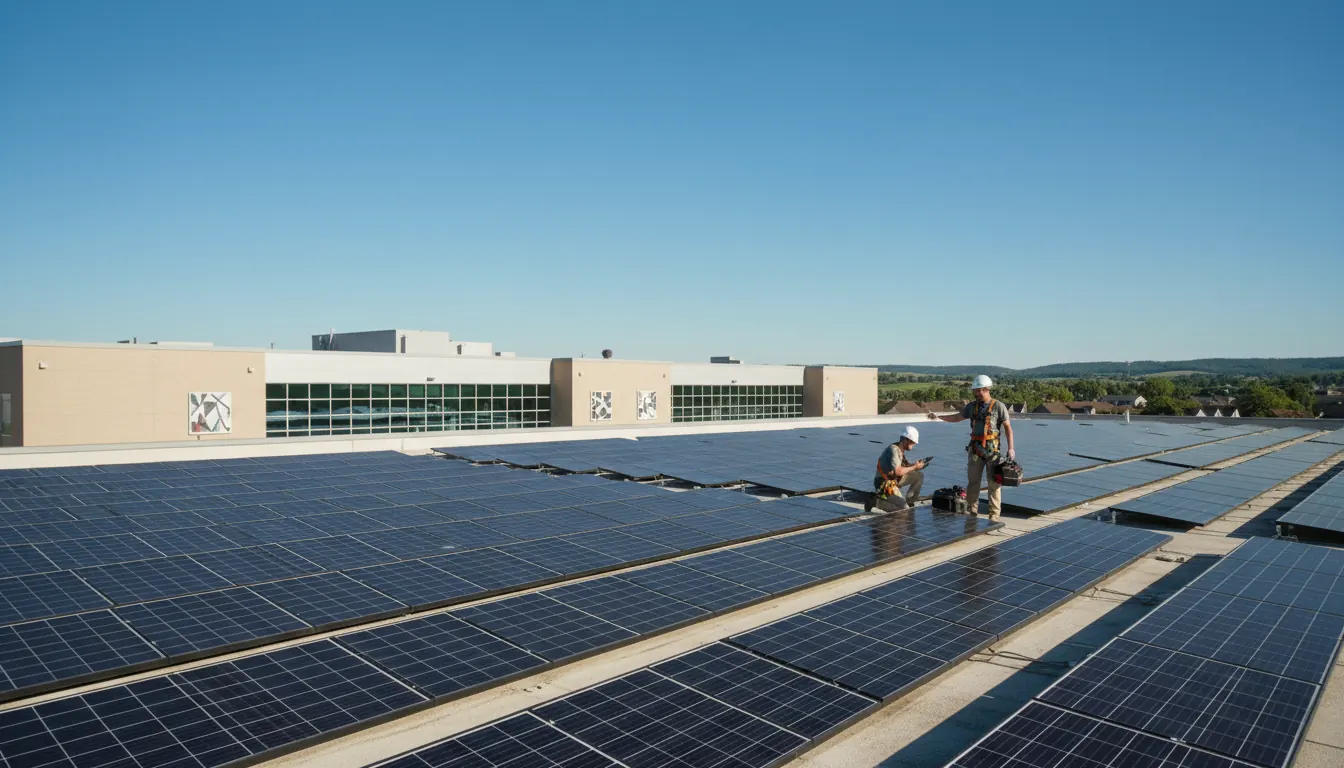
For things to run well, numerous departments and interest groups need to work together. Environmental education programs may help with this by getting those who are in charge of buildings, officials, instructors, students, and community partners to work together. The student point of view frequently brings forth fresh ideas and helps the government support initiatives in sustainability that may not happen otherwise.
Success Stories from ESLP and Similar Programs
Many student-run green projects have had significant results, which shows that young people can take the lead in saving the environment. One university's students completed a comprehensive energy audit and found that the institution was wasting hundreds of thousands of dollars a year because it wasn't using energy efficiently. Their recommendations led to changes that paid for themselves in three years and cut down on carbon pollution by a lot.
Another example is students who developed a program at their school to get food that isn't eaten in the dining halls to groups that aid those who don't have enough food. The project helps with both food waste and the needs of the community. It also offers students experience operating NGOs and bringing people together. After proving that it worked on their campus, students built a set of tools that other schools might use to imitate what they did.
FAQ
How can games be made to last longer?
Gaming establishments may be better for the environment if they use energy-efficient lighting and climate control systems, as well as complete garbage management programs, water-saving technology, and food that comes from sustainable sources. A number of casinos have gained LEED accreditation or other environmental criteria by adopting approaches that work on numerous areas of affect at the same time. It's crucial to think about sustainability as an ongoing aim rather than a one-time endeavor.
What type of harm do casinos cause to the world?
They need a lot of water and power for things like lighting, food service, hotel amenities, and landscaping and services since they are open 24 hours a day, seven days a week. Using energy has the biggest impact, followed by using water and making waste. If the venues are competent at controlling the surroundings, placing all of the entertainment services in one spot, like a casino, can be more efficient than spreading them around.
What does the Programming for Education for Sustainable Living do?
The Education for Sustainable Living Program is a group of students that wish to help young people make significant changes to fix problems with the climate and the environment. The program gives members hope and a sense of control by focusing on hands-on learning, becoming active in the community, and building leadership abilities. Through classes, projects, and lobbying campaigns, ESLP helps students develop the skills and build the confidence they need to be successful advocates for the environment.
What can individuals do to make the weather better?
Students may do something about climate change by joining environmental groups on campus, getting active with groups in their neighborhoods, conducting their own campaigns, and changing how they live. You can obtain real-world experience by starting or joining initiatives that cut down on energy consumption, cut down on waste, make healthier food systems, or develop new methods to get around. Many students also seek to influence policy by getting active with their local government, supporting environmental legislation, or arranging events that teach people how to fix climate concerns.
What are the finest ways to live that don't hurt the environment?
Using less energy, eating less meat, avoiding single-use goods, selecting eco-friendly transportation, and buying from firms who care a lot about the environment are all individual actions that have a big impact. Voting, organizing in your community, and fighting for your employment are all examples of collective action that are also highly significant because they influence the system in ways that go beyond what each person chooses. For people to really be able to keep things going, they need to do both tiny and major things to affect greater systems.
How do venues that put on performances lower their carbon footprint?
Some of the ways that entertainment venues cut down on emissions are by making their buildings more energy-efficient, installing renewable energy sources, giving staff and visitors green mobility options, starting initiatives to cut down on trash, and putting money into carbon offsets. Progressive sites assess the environment on a regular basis to identify methods to improve things and establish realistic objectives for cutting emissions. Many websites now provide yearly sustainability reports that illustrate how they're performing and make sure they meet their obligations to the environment.
Conclusion
The Education for Sustainable Living Program demonstrates the impact of student-led environmental initiatives and cultivates future leaders in sustainability. ESLP and other programs like it assist young people transform their worries about climate change into successful advocacy and genuine environmental changes by concentrating on hands-on learning, community participation, and practical action.
There are many places and scenarios where you may apply effective environmental education. For example, schools can use it to teach kids about sustainability, and businesses in the gaming and hotel industries can use it to control their environmental impact. Even when the environment is in bad shape, groups may make a lot of progress if they promise to measure the effect, use best practices, and be honest with stakeholders.
The fact that youth environmental leadership is still developing offers us great optimism that we can overcome climate concerns in the future. As more young people gain the facts, skills, and confidence to press for eco-friendly activities in their communities and future careers, the chances of substantial improvements happening rise. Helping students with their projects and giving them practical methods to become engaged is an investment in both short-term improvements to the environment and long-term changes to the overall system.