
Local Food Sourcing in University Dining Sustainability Impact
Universities increasingly recognize that local food sourcing in dining operations delivers multiple sustainability benefits while supporting regional agriculture and providing students with fresher, more nutritious meals. By partnering with nearby farms and producers, institutions reduce transportation emissions, strengthen local food systems, and create educational opportunities around agriculture and food justice. These programs require careful coordination between dining services, purchasing departments, and community partners, but successful implementations demonstrate that institutional food service can serve as powerful engines for regional economic and environmental sustainability.
Benefits of Local Food Partnerships
Shifting university food purchasing toward local sources creates value across environmental, economic, educational, and health dimensions. Understanding these interconnected benefits helps build support for local sourcing initiatives among diverse stakeholders.
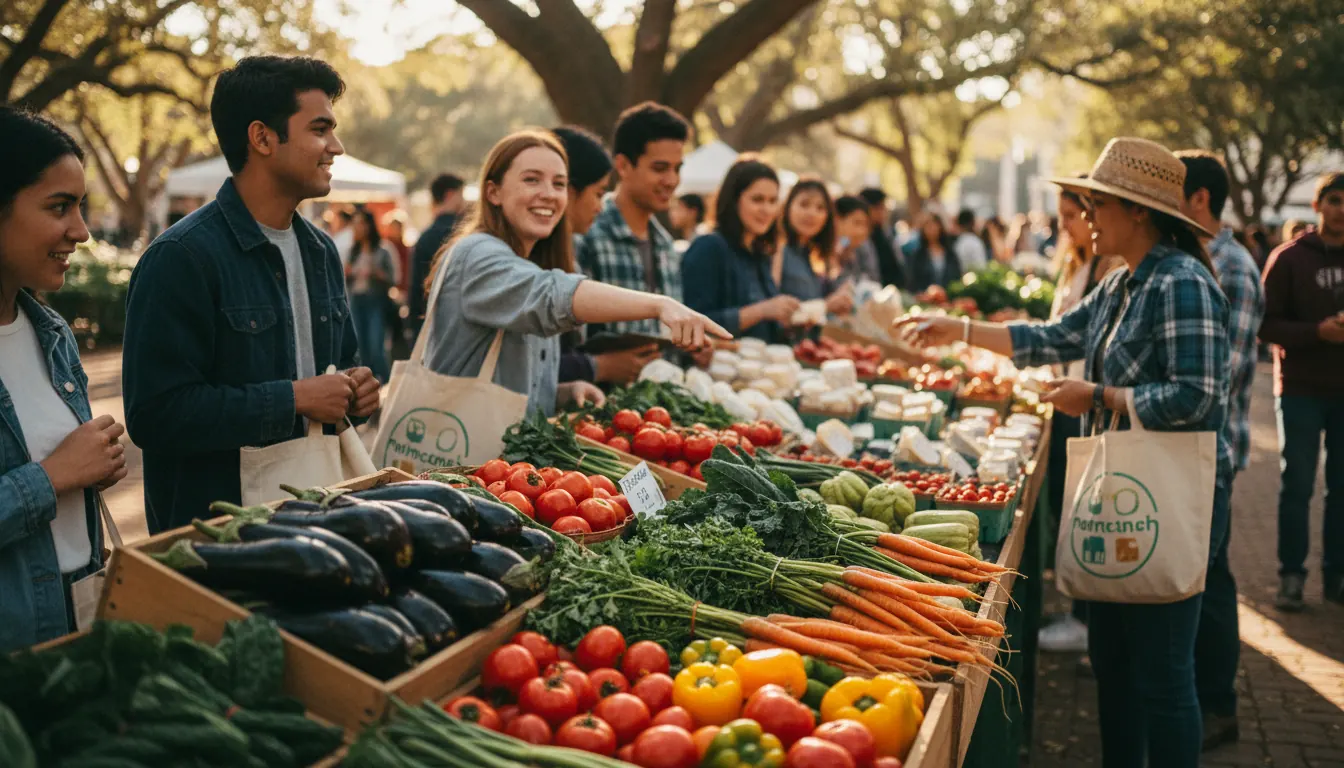
- Reduced transportation distances lower carbon emissions while ensuring fresher produce reaches students within hours rather than days
- Economic multiplier effects keep food dollars circulating in regional economies, supporting family farms and rural communities
- Educational opportunities connect students with food producers through farm visits, guest lectures, and agricultural research collaborations
- Seasonal menu planning reduces energy-intensive storage needs while introducing students to diverse ingredients and cooking traditions
- Food security resilience develops regional supply chains less vulnerable to disruptions in national distribution networks
Comparing Local and Conventional Sourcing Models
Understanding practical differences between local and conventional food sourcing helps universities develop realistic implementation strategies that balance sustainability goals with operational requirements and budget constraints.
| Aspect | Conventional Sourcing | Local Sourcing |
|---|---|---|
| Supply Consistency | Year-round availability through national distributors | Seasonal variation requiring menu flexibility |
| Price Predictability | Stable contracts with volume discounts | Variable pricing based on harvest and demand |
| Relationship Type | Transactional with large distributors | Collaborative partnerships with individual producers |
| Environmental Impact | Higher transportation emissions, industrial agriculture | Lower food miles, often sustainable farming practices |
"Transitioning 25% of our dining purchases to local sources initially seemed daunting, but working directly with regional farmers transformed our menu quality while reducing our carbon footprint substantially."
Implementation Strategies for Success
Universities successfully implementing local food programs typically start with pilot projects in specific dining locations or for particular ingredients before expanding systematically. Building relationships with farm cooperatives or regional food hubs simplifies logistics by providing single-source access to multiple producers. Creating student farm internship programs and integrating local food themes into curriculum strengthens institutional commitment while developing expertise that supports long-term program sustainability.