
Student-Led Renewable Energy Audits for Campus Sustainability
Energy audits conducted by student teams provide valuable data that drives campus sustainability improvements while offering participants hands-on experience in environmental assessment and advocacy. These comprehensive evaluations identify inefficiencies, quantify potential savings, and make compelling cases for renewable energy investments. When students lead energy audits, they develop technical skills in energy analysis while building institutional knowledge that strengthens ongoing sustainability efforts. The combination of rigorous data collection and student passion creates powerful momentum for transformative campus energy initiatives.
Components of Comprehensive Energy Audits
Effective energy audits examine multiple aspects of campus energy use to develop complete understanding of consumption patterns and improvement opportunities. Student teams should address each component systematically to produce actionable recommendations.
- Building envelope assessments identify insulation gaps, air leaks, and window inefficiencies that increase heating and cooling demands
- Lighting surveys document fixture types and usage patterns to quantify savings potential from LED upgrades and occupancy sensors
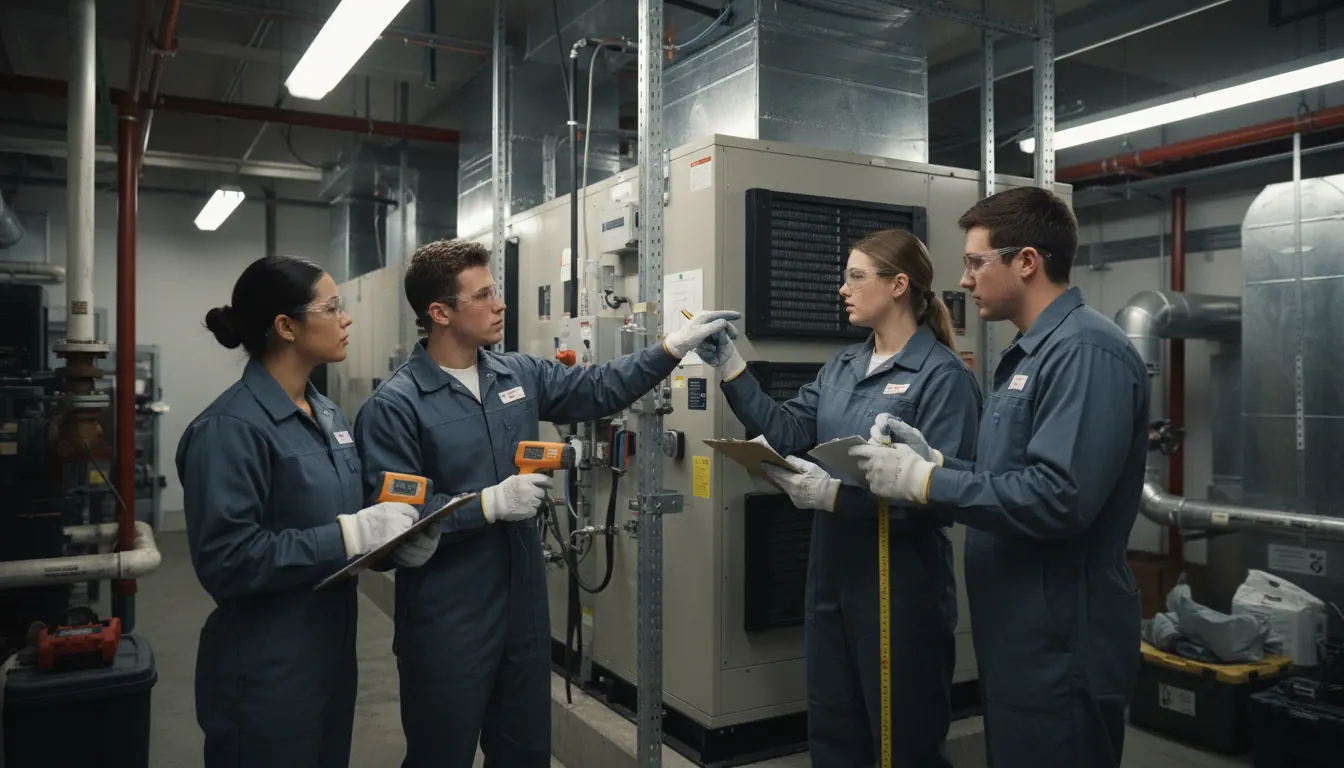
- HVAC system evaluations examine equipment efficiency, maintenance status, and control strategies affecting energy consumption
- Behavioral analysis observes how occupants use spaces and energy, revealing opportunities for engagement campaigns alongside technical upgrades
- Renewable energy feasibility studies assess solar, wind, or geothermal potential based on campus location and infrastructure
Energy Audit Data Collection Methods
Different assessment approaches provide varying levels of detail and accuracy. Student teams typically combine multiple methods to balance thoroughness with available resources and technical expertise.
| Method | Data Provided | Resource Requirements |
|---|---|---|
| Utility Bill Analysis | Overall consumption trends and cost patterns | Low—requires only access to billing records |
| Walk-Through Surveys | Visual identification of obvious inefficiencies | Moderate—needs basic training and checklists |
| Detailed Monitoring | Precise consumption data by system or equipment | High—requires measurement devices and analysis skills |
| Thermal Imaging | Heat loss visualization for building envelope assessment | Moderate—needs thermal camera access and interpretation training |
"Our student energy audit identified $200,000 in annual savings potential. When we presented data to administration, they approved efficiency upgrades that paid for themselves in three years while cutting carbon emissions significantly."
Translating Findings Into Action
The value of energy audits lies not in data collection but in translating findings into institutional change. Student teams should present recommendations prioritized by cost-effectiveness and environmental impact, with clear implementation pathways. Combining technical data with compelling narratives about campus sustainability goals helps secure administrative support and funding. Following through by monitoring implemented changes and publicizing results builds credibility for future student environmental initiatives.