
Water Reclamation Systems in Educational Institutions
Water reclamation technologies offer educational institutions powerful tools for reducing freshwater consumption while providing students with direct exposure to sustainable resource management systems. These systems capture, treat, and reuse water from various sources like sinks, showers, and cooling systems for non-potable applications including landscape irrigation, toilet flushing, and mechanical equipment operation. Beyond conservation benefits, water reclamation systems serve as living laboratories where students can observe closed-loop resource systems and learn about water treatment technologies increasingly essential for addressing global water scarcity challenges.
Types of Water Reclamation Systems
Educational facilities can implement various water reclamation approaches depending on campus infrastructure, local regulations, and sustainability objectives. Each system type offers distinct advantages for different institutional contexts and goals.
- Greywater systems collect wastewater from sinks and showers for treatment and reuse in irrigation, reducing both freshwater demand and wastewater discharge
- Rainwater harvesting captures precipitation from roofs and paved surfaces for storage and use in non-potable applications
- Cooling tower blowdown recovery treats water from HVAC systems for reuse, addressing one of the largest water consumption sources in campus buildings
- Condensate collection systems capture moisture from air conditioning units and mechanical equipment for irrigation or cooling tower makeup water
- Blackwater treatment facilities process all wastewater on-site to potable or near-potable standards, creating nearly closed-loop water systems
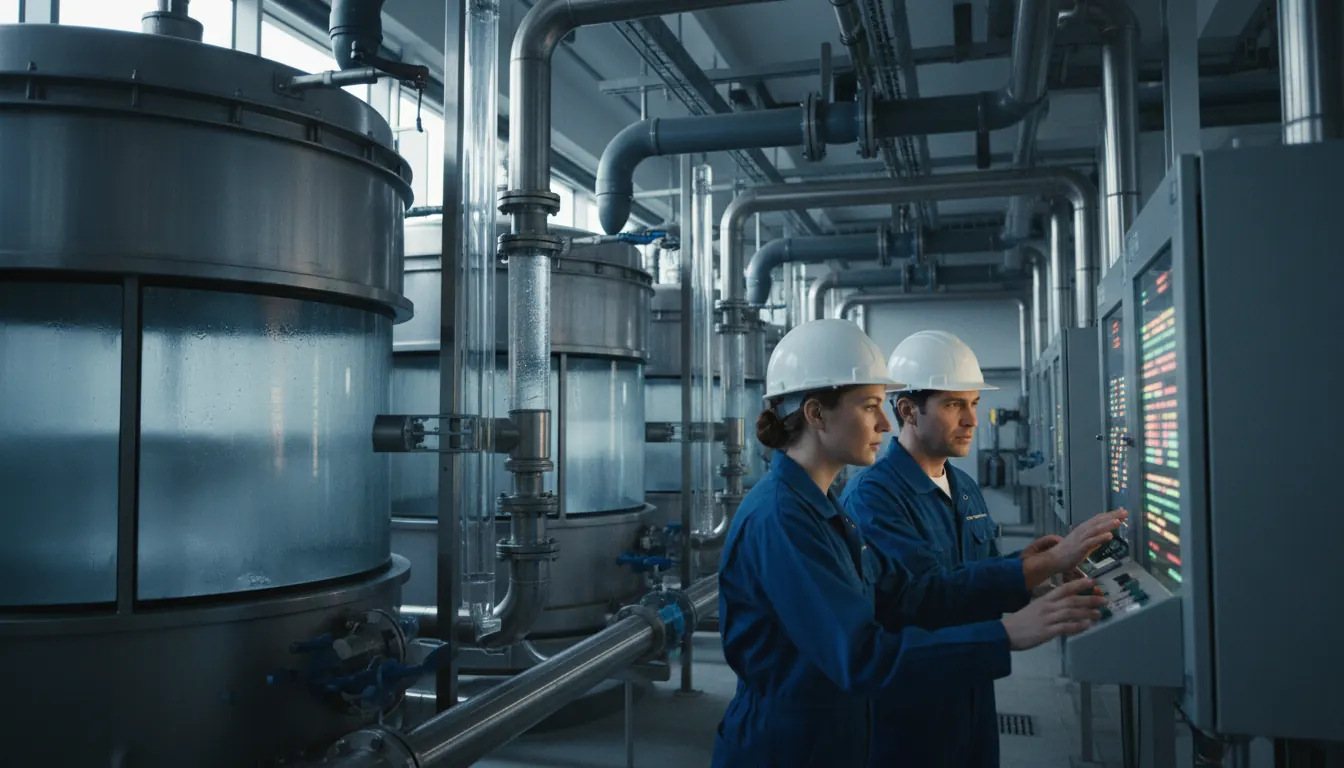
Comparing Water Reclamation Technologies
Different treatment approaches suit different water sources and intended reuse applications. Understanding these distinctions helps institutions select appropriate technologies for their specific conservation goals and regulatory environment.
| Technology | Treatment Level | Best Applications |
|---|---|---|
| Sand Filtration | Basic particulate removal | Greywater for subsurface irrigation |
| Membrane Bioreactors | Advanced biological and physical treatment | High-quality reuse water for multiple applications |
| UV Disinfection | Pathogen elimination without chemicals | Final treatment step for various reuse scenarios |
| Constructed Wetlands | Natural biological treatment processes | Lower-tech solutions with educational value |
"Installing our greywater reclamation system reduced campus irrigation water use by 40% while creating a demonstration facility where environmental science students conduct research on water treatment effectiveness."
Educational Integration and Community Impact
Water reclamation systems provide exceptional opportunities for experiential learning across multiple disciplines including environmental science, engineering, public health, and sustainability studies. Schools can maximize educational value by incorporating monitoring components, creating interpretive signage, and developing curriculum modules that use campus systems as case studies. Publishing water savings data and hosting community tours extends impact beyond campus by demonstrating practical water conservation solutions that inspire broader adoption of reclamation technologies.